


Solutions
Cutting-edge solutions tailored to everyday issues in the modern digital environment.

Services
Innovative tools and services designed to address complex challenges today’s digital landscape.
IT FOR What WE DO MENU

Services
Hexagon is reshaping industries through smarter systems, streamlined workflows, and bold digital innovation.

IT FOR HOW WE DO MENU
Services
Hexagon is reshaping industries through smarter systems, streamlined workflows, and bold digital innovation.
Ready to clean up your CRM workflow?
Book a CRM Workflow Audit and see where leads, follow-ups, reporting, or disconnected tools can be fixed first.
Unlocking the Trillions: Financing the Global Transition to Net Zero
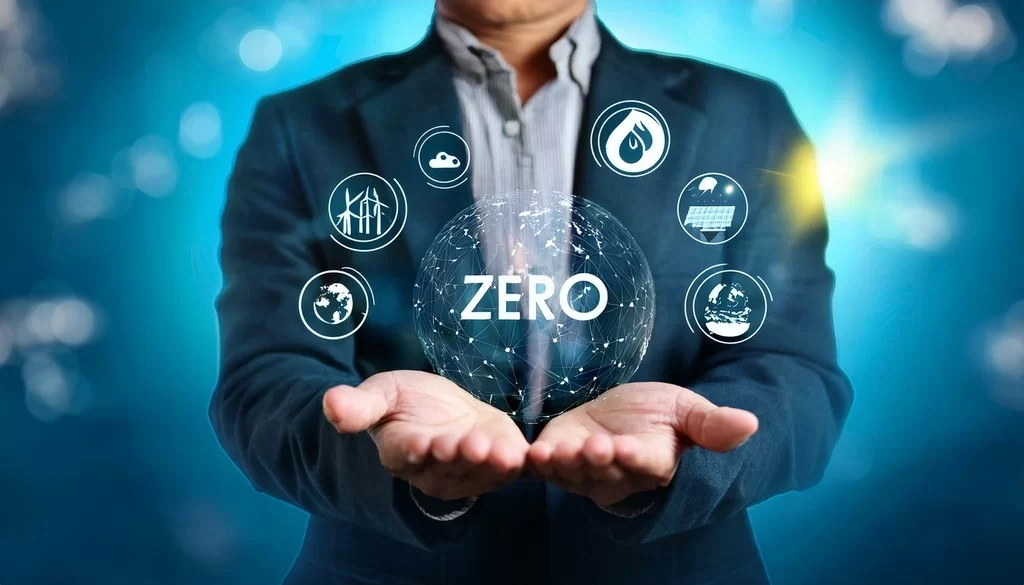
The transition to a net-zero global economy by mid-century represents not just an environmental imperative, but also the most significant economic transformation in human history. The sheer scale of investment required – trillions of dollars annually –presents a monumental challenge, yet also an unprecedented opportunity for the financial services sector to redefine its role and drive sustainable growth. How can the world mobilize this capital, navigate the complexities and forge a new financial paradigm that secures a livable planet?
Visit our Finance Solutions webpage
The pursuit of a net-zero world, aimed at mitigating the catastrophic effects of climate change, has moved from a scientific aspiration to a global policy imperative. The Paris Agreement, signed by nearly every nation, commits the world to limiting global warming to well below 2 degrees Celsius above pre-industrial levels, with efforts to limit it to 1.5degrees Celsius. Achieving this ambitious goal necessitates a fundamental overhaul of our energy systems, infrastructure and industrial processes, requiring a massive and sustained flow of capital on an unprecedented scale.
Recent years have witnessed record-breaking investments in renewable energy, electric vehicles and other green technologies, signaling a growing recognition of the urgent need for action. However, these investments, while encouraging, represent only a fraction of the financial resources required to achieve net zero. The gap between current investment levels and the trillions of dollars needed annually is substantial, demanding innovative solutions and a fundamental reshaping of the global financial landscape.
The challenge is not simply about replacing fossil fuel-based infrastructure with renewable alternatives. It encompasses a much broader transformation, including:
- Decarbonizing energy systems: Transitioning to renewable energy sources like solar, wind and hydropower, while also investing in energy storage solutions and grid modernization.
- Transforming transportation: Electrifying vehicles, developing sustainable aviation fuels and investing in public transportation infrastructure.
- Decarbonizing industry: Developing and deploying low-carbon technologies in sectors like steel, cement and chemicals.
- Improving energy efficiency: Retrofitting buildings, developing energy-efficient appliances and implementing energy management systems.
- Protecting and restoring ecosystems: Investing in reforestation, sustainable agriculture and other nature-based solutions that sequester carbon dioxide.
- Adapting to climate change:Building resilience to the impacts of climate change,such as sea-level rise, extreme weather events and water scarcity.
Meeting these diverse needs requires a complex and coordinated effort involving governments, the financial services sector, corporations, and international organizations.


Author
J Daks
Founder & CEO
Daks is a seasoned tech enthusiast with over 20 years of expertise in creating tailored software solutions. His love for tackling challenges inspired him to establish Hexagon IT Solutions in 2007, Renowned for his mastery in various programming languages, project management, operations, networking, and more, Daks continues to drive innovation and excellence in the tech world.


The Trillion-Dollar Challenge: Bridging the Funding Gap
Estimates of the annual investment required to achieve net zero vary, but all point to a figure in the trillions of dollars. These figures underscore the magnitude of the financial challenge and the urgent need for a paradigm shift in how we finance and invest in the global economy.
The current sources of climate finance are a mix of public and private capital. Public sector institutions, such as governments and development banks, have historically played a crucial role in funding early-stage research, providing policy support and de-risking investments. Private sector entities, including corporations, commercial banks and institutional investors, are increasingly recognizing the financial risks and opportunities associated with climate change and are beginning to allocate capital to sustainable investments.
However, relying solely on these traditional sources will not be sufficient to meet the trillions-dollar investment gap. Unlocking the full potential of private capital is essential, requiring a fundamental shift in investment strategies, risk assessment and financial product development.
The Financial Sector's Pivotal Role:
The financial services sector is uniquely positioned to play a central role in mobilizing the capital needed for the net-zero transition. With its vast resources, expertise in risk management and ability to create and distribute financial products, the sector can channel investments towards sustainable projects and businesses.
Here are some key areas where the financial sector can drive change:
- Developing green financial products: Creating innovative financial instruments, such as green bonds, sustainability-linked loans and transition bonds, that align with climate goals and attract a wider range of investors.
- Integrating climate risk into decision-making: Incorporating climate-related risks, such as physical risks from extreme weather events and transition risks from policy changes, into investment analysis and risk management frameworks.
- Engaging with portfolio companies: Actively working with companies to encourage them to adopt sustainable practices, set emissions reduction targets and disclose their climate-related risks.
- Facilitating sustainable infrastructure investment: Providing financing for large-scale infrastructure projects, such as renewable energy installations, electric vehicle charging networks and resilient infrastructure.
- Supporting innovation: Investing in research and development of new climate technologies and business models that can accelerate the transition to a low- carbon economy.
- Promoting financial inclusion: Ensuring that the benefits of the green transition are shared equitably, particularly in developing countries and vulnerable communities, by providing access to affordable financial services.

Overcoming Barriers to Investment
Several barriers currently hinder the flow of capital towards climate solutions, andaddressing these is crucial for unlocking the trillions needed for net zero.
- Lack of standardized disclosure: The absence of consistent and comparable sustainability reporting standards makes it difficult for investors to accurately assess the climate-related performance and risks of companies and projects. Harmonizing disclosure frameworks is essential for building investor confidence and facilitating capital allocation.
- Short-term investment horizons: Many investors prioritize short-term returns, while climate investments often require a longer-term perspective. Encouraging longer-term investment horizons and aligning financial incentives with sustainability goals is crucial.
- Perceived risk: Some climate investments, particularly in developing countries or emerging technologies, may be perceived as riskier than traditional investments. De-risking mechanisms, such as public-private partnerships and blended finance, can help to attract private capital.
- Data gaps: The availability of high-quality, reliable data on climate-related risks and opportunities is essential for informed investment decisions. Improving data collection, analysis, and dissemination is crucial.
- Policy uncertainty: Inconsistent or unclear government policies can create uncertainty for investors, hindering long-term investment in climate solutions. Clear and stable policy frameworks are essential for creating a supportive environment for green finance.
Innovative Solutions and Emerging Trends:
To overcome these barriers and mobilize the trillions needed for net zero, innovative solutions and emerging trends are reshaping the financial landscape.
- Blended finance: Combining public and private capital to de-risk investments and attract private sector participation in climate projects, particularly in developing countries.
- Carbon markets: Creating mechanisms for pricing carbon emissions, such as cap-and-trade systems and carbon taxes, to incentivize emissions reductions and generate revenue for climate investments.
- Sustainable finance taxonomies: Developing classification systems that define what constitutes a "green" or "sustainable" investment, providing clarity and guidance to investors.
- Digitalization and Fintech: Leveraging technology, such as blockchain, AI, and bigdata analytics, to improve transparency, efficiency, and accessibility of green finance.
- Nature-based solutions finance: Developing financial mechanisms to support investments in projects that protect and restore natural ecosystems, recognizing their crucial role in carbon sequestration and climate resilience.

A Global Collaborative Effort:
Financing the transition to net zero is a global challenge that requires a coordinated andcollaborative effort from all stakeholders.
- Governments: Setting clear policy goals, providing regulatory frameworks, and making public investments in research, development, and infrastructure.
- Financial institutions: Developing innovative financial products, integrating climate risk into decision-making, and engaging with clients to promote sustainable practices.
- Corporations: Setting ambitious emissions reduction targets, investing in sustainable technologies, and disclosing their climate-related risks and opportunities.
- International organizations: Facilitating international cooperation, providing technical assistance, and developing global standards for climate finance.
- Investors: Allocating capital to sustainable investments, engaging with companies on climate issues and demanding greater transparency and accountability.
The transition to a net-zero global economy presents both a monumental challenge and an unprecedented opportunity. The financial resources required are substantial, but the potential rewards – a stable climate, a healthier planet, and a more sustainable and equitable economy – are immense. The financial services sector has a critical role to play in unlocking the trillions needed to fund this transformation, driving innovation and shaping a future where economic prosperity and environmental sustainability go hand in hand.
Unlock the financial solutions for a sustainable future. Visit our Sustainability Services webpage to explore how we are helping financial institutions navigate the net-zero transition and capitalize on the opportunities of a green economy. Contact us to learn how we can help you achieve your sustainability goals.
Author
J Daks
Founder & CEO
Daks is a seasoned tech enthusiast with over 20 years of expertise in creating tailored software solutions. His love for tackling challenges inspired him to establish Hexagon IT Solutions in 2007, Renowned for his mastery in various programming languages, project management, operations, networking, and more, Daks continues to drive innovation and excellence in the tech world.
-
BUSINESS SYSTEMS
BUSINESS SYSTEMS
SOFTWARE
AI
INTEGRATIONS
Build, Improve, or Connect the Systems Your Business Depends On.
Whether you need custom software, CRM, ERP, AI, automation, integrations, or modernization, tell us what you’re trying to improve. We’ll review your requirements and recommend the most practical next step.
300+
Software projects delivered
37+
Enterprise apps built
150+
delivery team members
10+
countries served
CRM not working the way it should? Book a Free CRM Workflow Audit →
Tell Us About Your Project
No sales pressure. Tell us what you’re trying to build, improve, integrate, automate, or replace. We’ll review your answers and come back with a clear recommendation within 1 business day.

Custom software, CRM, ERP, AI, integrations, and business systems built to improve how growing organizations operate.


© 2026 Hexagon IT Solutions. All rights reserved.